 English
 русский
 Deutsch
 日本語
日本語
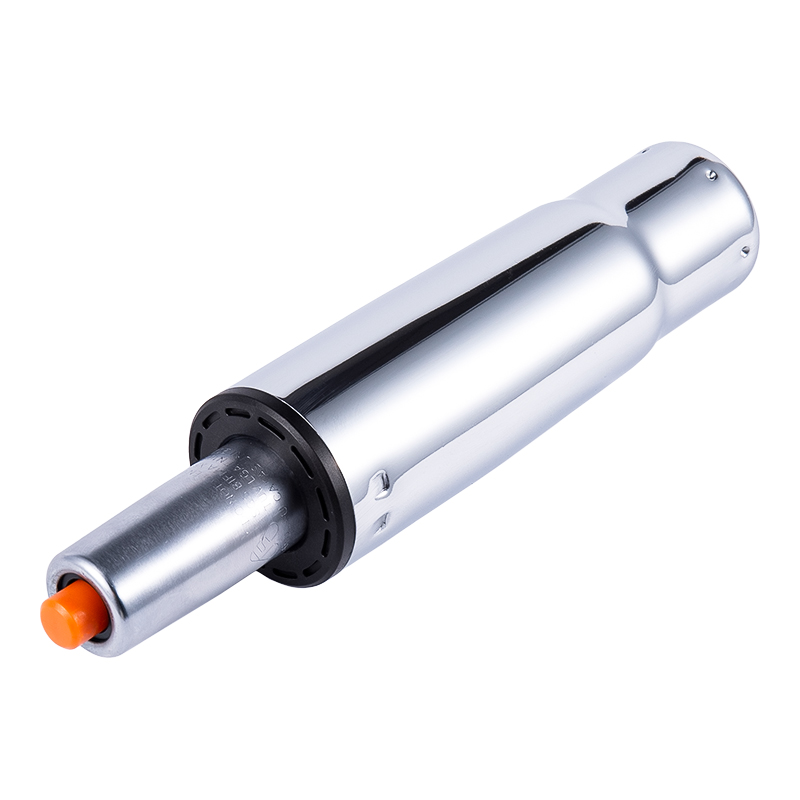
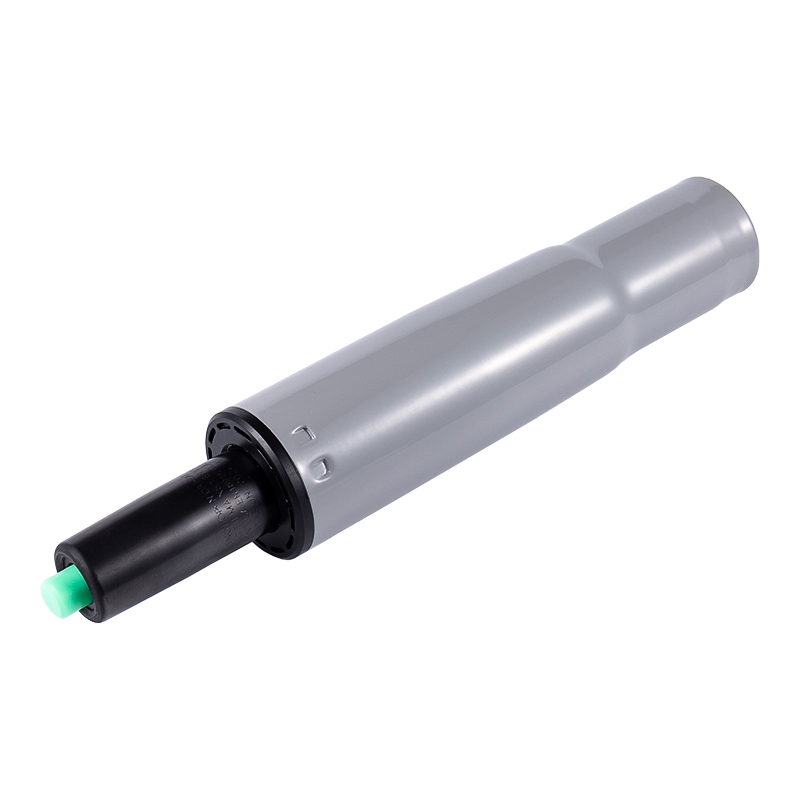
A gas spring looks simple from the outside — a cylinder, a rod, a valve. But the engineering inside that sleeve determines whether a surgical stool holds its position through a three-hour procedure, or whether a bar stool descends smoothly and quietly when a customer sits down in a restaurant. The same sleeve-type mechanism powers both applications. The specifications that make it work in one environment would cause it to fail in the other. This article examines what medical gas springs and bar stool gas springs each require from that mechanism, where their demands diverge, and how to read those differences into a specification before placing an order.
Inhalt
- 1 How a Gas Spring Works: The Sleeve-Type Mechanism Explained
- 2 Medical Gas Springs: What Healthcare Environments Demand
- 3 Bar Stool Gas Springs: Stroke, Damping, and Noise Requirements
- 4 Key Specification Differences: Medical vs Bar Stool Gas Springs
- 5 Selecting the Right Gas Spring: 5 Questions Before You Order
How a Gas Spring Works: The Sleeve-Type Mechanism Explained
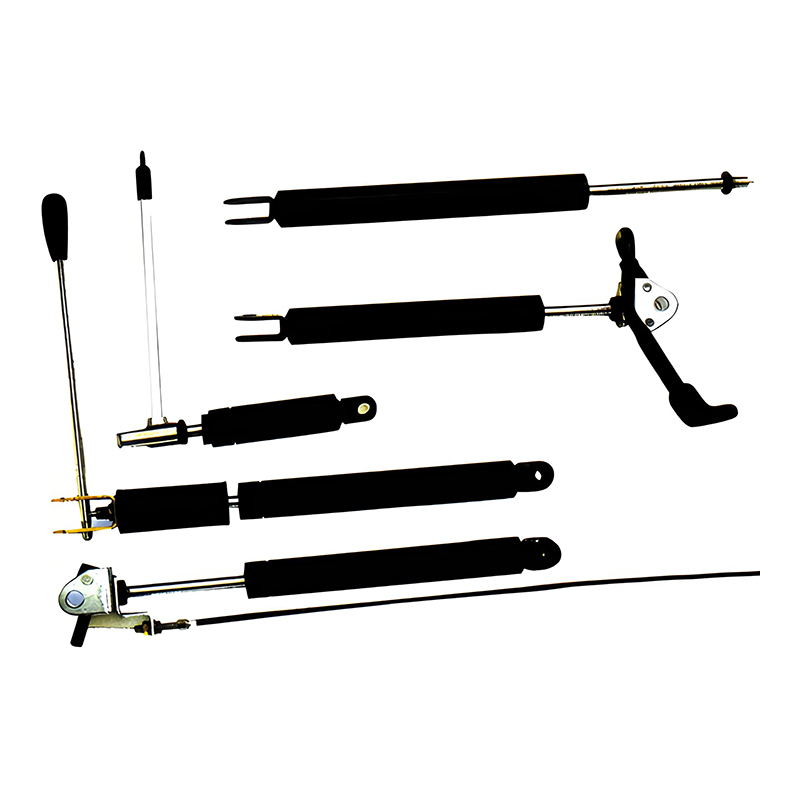
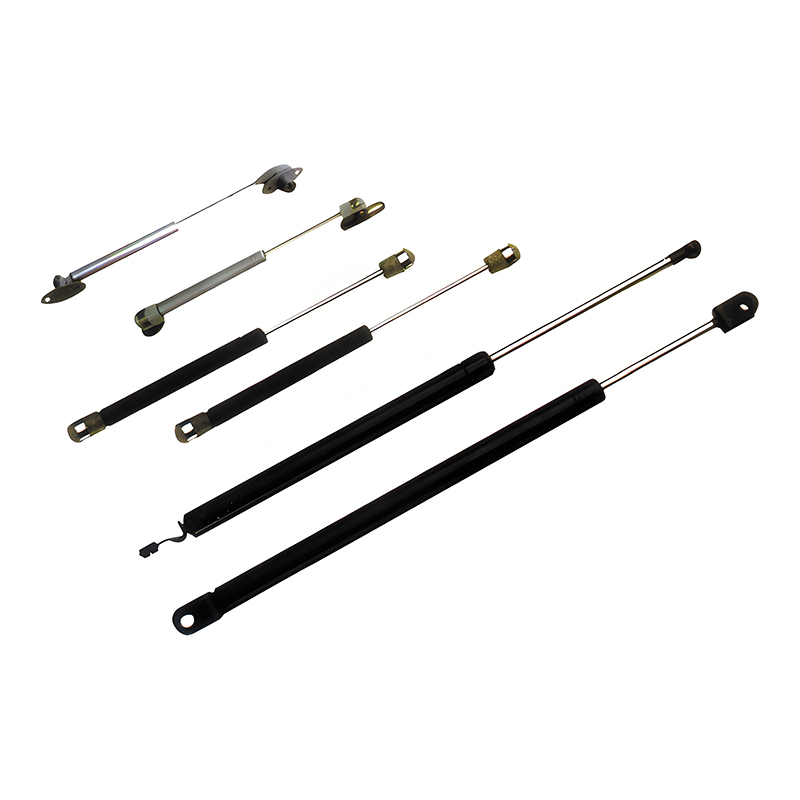
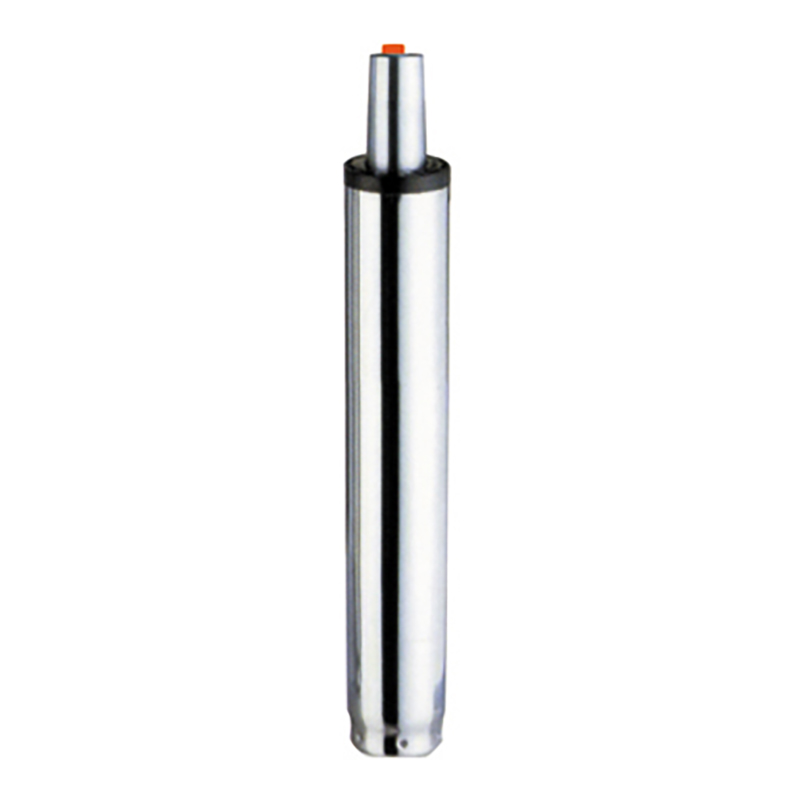
A sleeve-type gas spring — also called a pneumatic cylinder or gas lift — stores energy in the form of compressed inert gas, typically nitrogen, sealed inside a steel tube. When the release valve is activated, the pressure differential between the gas chamber and the atmosphere drives the piston rod outward, raising the load. When body weight or external force is applied, the rod compresses back into the cylinder. The inert gas charge is the power source; the valve is the control mechanism.
The defining feature of a lockable sleeve-type gas spring is its ability to hold position at any point within its stroke range. A small release valve — actuated by a lever, a button, or a foot pedal depending on the application — opens the gas path and allows movement. Release the actuator, and the valve closes immediately, locking the rod in place under the combined force of gas pressure and mechanical friction. This is the mechanism behind "freely lockable lifting height": the user is not choosing between fixed positions but stopping anywhere within a continuous range.
Four parameters define the performance envelope of any gas spring: stroke length (the total distance the rod travels), extension force (the force pushing the rod out at full extension), compression force (the resistance to pushing the rod in), and end damping (the deceleration built into the final millimeters of travel to prevent hard stops). How these four parameters are tuned determines whether a gas spring is appropriate for a medical stool, a bar stool, or neither.
Medical Gas Springs: What Healthcare Environments Demand
In clinical settings, gas springs are embedded in a wide range of equipment: surgical stools, examination chairs, dentist's chairs, patient beds, monitor arms, and operating theatre lighting rigs. Each application places different demands on the gas spring, but all medical environments share a set of baseline requirements that separate clinical-grade components from standard commercial ones.
Position locking is non-negotiable. A surgeon or clinician adjusting a stool to the correct working height for a procedure cannot have that height shift during the operation. A standard support gas spring — one that floats under load without locking — is insufficient. Medical stools require a lockable gas spring that holds its position under the full working load without drift. The locking force must be high enough to resist incidental contact forces without requiring deliberate effort to maintain height.
Hands-free actuation is frequently required. In sterile fields, the clinician's hands must remain uncontaminated. Gas springs in surgical and examination stools are therefore typically released by a foot ring or foot pedal rather than a lever under the seat. This requires the actuator mechanism to be integrated at the base of the cylinder rather than at the top, which affects both the valve design and the mounting geometry. lockable gas springs for position-hold applications that support foot-release actuation are the standard specification for this category of equipment.
Surface treatment and material selection must resist clinical cleaning protocols. Hospital environments use strong disinfectants, including quaternary ammonium compounds and hydrogen peroxide solutions, on all surfaces. Chrome-plated steel rods and zinc-phosphate-treated cylinders — standard in commercial applications — may corrode under repeated exposure. Medical-grade gas springs use hard chrome or nickel plating on the rod and corrosion-resistant surface treatments on the cylinder body capable of withstanding these cleaning cycles over the equipment's service life.
Load capacity and fatigue life are specified conservatively. A surgical stool in an active hospital operating theatre may be adjusted and sat upon dozens of times per day, every day, for ten or more years. The gas spring must sustain this cycle count without seal degradation, gas leakage, or loss of locking performance. Medical equipment manufacturers typically require fatigue testing documentation — cycle counts of 50,000 or more — before approving a gas spring component for use in certified equipment.
Bar Stool Gas Springs: Stroke, Damping, and Noise Requirements
Bar stool gas springs operate in a very different environment. The primary failure modes in a domestic or hospitality setting are not corrosion or sterility — they are noise, rough descent, and insufficient height range. A bar stool that clunks loudly when sat on, drops abruptly under body weight, or cannot reach counter height will generate returns and complaints regardless of how long it lasts structurally.
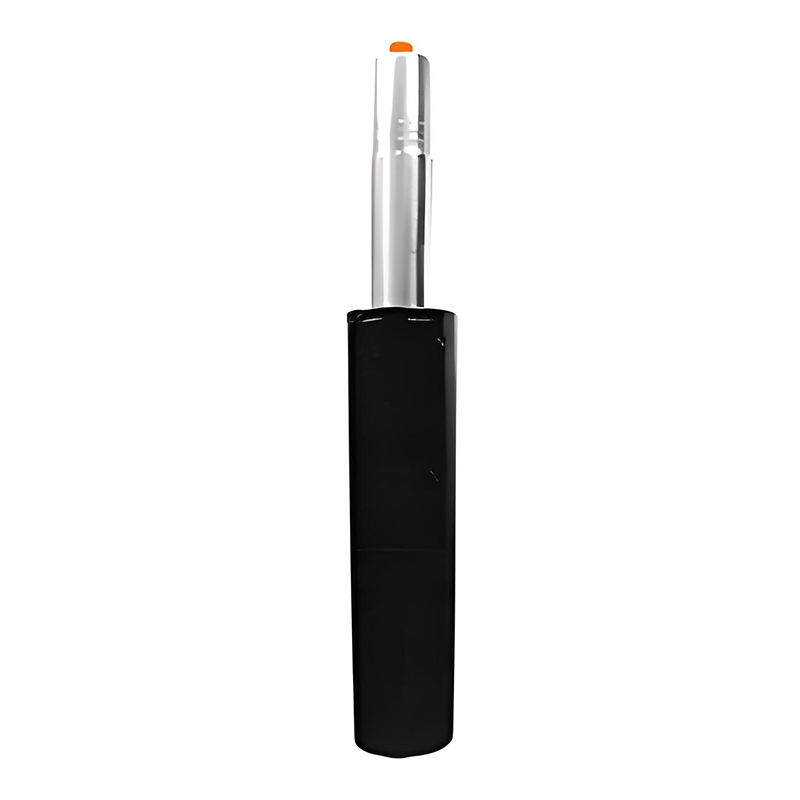
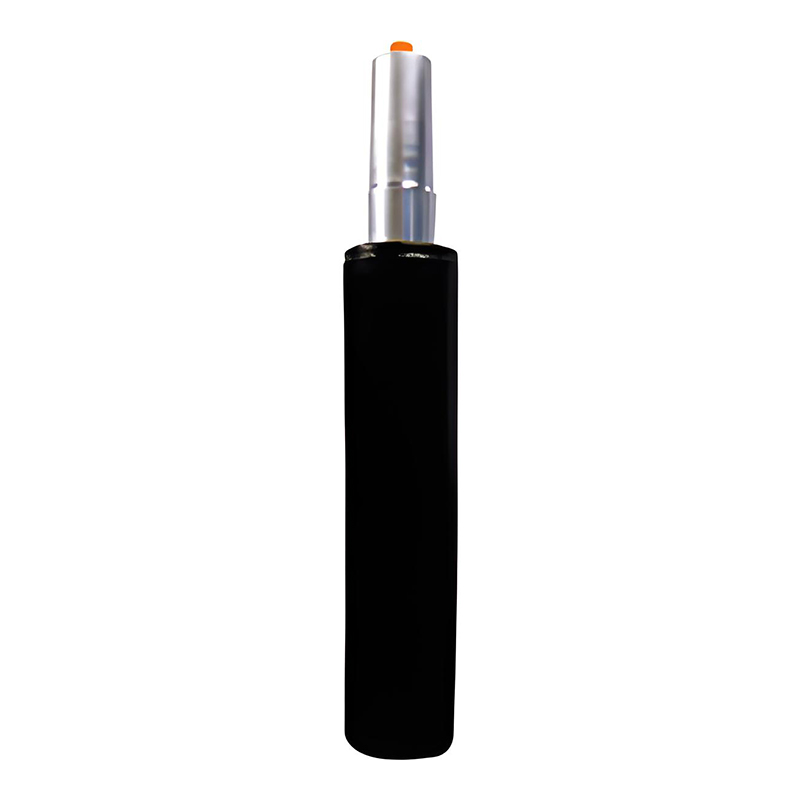
Stroke length determines the usable height range. A standard kitchen or breakfast bar sits at approximately 90–105 cm. The seat of a bar stool for this height typically needs to reach 60–75 cm from the floor. A gas spring with a 100–130 mm stroke, starting from a compressed height of around 250–270 mm, covers this range when combined with appropriate base and seat geometry. Specify too short a stroke and the stool cannot reach counter height; too long and the collapsed height creates an awkward low position. bar stools gas springs for height-adjustable seating are available in stroke configurations matched to the standard seat-height ranges used by furniture manufacturers.
End damping controls the descent experience. When a person sits on a bar stool, their body weight compresses the gas spring. Without damping, this compression is abrupt — the seat drops quickly under the initial load and stops with a jolt. Good end damping builds in progressive resistance over the last 15–20 mm of the compression stroke, slowing the descent and eliminating the hard bottom-out sensation. This is the mechanical equivalent of the cushioning a user feels when sitting on a quality adjustable stool versus a cheap one, and it is entirely a function of the gas spring's internal damping geometry.
Operating noise is a genuine product differentiator in hospitality and residential applications. Bar stools in restaurants, hotel bars, and home kitchens are used in proximity to conversation and ambient sound environments where a squeaking or hissing gas spring is immediately noticeable. Low-noise performance comes from the precision of the rod-to-seal interface, the quality of the internal lubricant, and the manufacturing tolerances on the cylinder bore. A gas spring that meets these standards produces no audible release sound during normal actuation and no mechanical noise during descent.
Extension force must match the seat and user weight range. The extension force — the force pushing the rod upward when unloaded — must be strong enough to raise the empty seat when the lever is released, but not so strong that it creates an aggressive upward movement that startles the user. For a typical bar stool seat weighing 3–6 kg, an extension force in the range of 150–300 N is usually appropriate. Heavier upholstered seats or stools with arm rests require gas springs calibrated to a higher extension force to achieve the same responsive rise.
Key Specification Differences: Medical vs Bar Stool Gas Springs
| Parameter | Medical Gas Spring | Bar Stool Gas Spring |
|---|---|---|
| Locking requirement | Mandatory — must hold under full working load | Standard — holds at user-selected height |
| Actuation method | Foot pedal / foot ring (hands-free) | Lever under seat (hand or body weight) |
| Typical stroke length | 100–200 mm (wider clinical range) | 100–130 mm (seat-to-counter range) |
| Surface treatment | Hard chrome / nickel plating; disinfectant-resistant | Chrome plate / zinc coating; standard corrosion resistance |
| Fatigue life requirement | 50,000+ cycles with documentation | 20,000–30,000 cycles typical |
| End damping | Required — prevents hard stops in patient equipment | Required — controls descent feel for user comfort |
| Noise specification | Low noise (clinical environment) | Low noise (residential / hospitality) |
| Typical outer diameter | 28–50 mm (heavier-duty equipment) | 28–50 mm (matched to stool base geometry) |
The table makes clear that both applications share several requirements — end damping, low noise, and lockable height — but diverge sharply on actuation method, surface treatment, and fatigue life documentation. A gas spring specified purely for bar stool use will not carry the cleaning resistance or cycle-count certification that medical equipment qualification requires. Conversely, a clinical-grade component specified for a bar stool adds cost in surface treatment and testing documentation that the furniture application does not need.
Selecting the Right Gas Spring: 5 Questions Before You Order
Specification errors in gas spring procurement typically fall into one of two categories: under-specifying for the application (selecting a standard component for a clinical use), or over-specifying unnecessarily (paying for medical-grade certification in a furniture application). Five questions resolve most of these errors before a purchase order is placed.
- What is the end-use environment? A clinical or medical device application requires a lockable gas spring with documented fatigue life, disinfectant-resistant surface treatment, and in many cases foot-release actuation. A furniture or hospitality application requires smooth damping, correct stroke, and low noise — but not clinical certification.
- What stroke length does the application require? Measure the minimum and maximum height positions the component must achieve, subtract the fixed geometry of the base and seat hardware, and the remaining number is the required stroke. Add 10–15 mm of margin to avoid reaching hard stops in normal use.
- What extension force matches the load? The gas spring must push the unloaded seat upward reliably. Weigh the seat assembly (seat pad, mechanism plate, any arm rests) and select an extension force 20–40% above that figure to ensure responsive rise without excessive upward force that could unsettle the user.
- How will the gas spring be actuated? Lever actuation under the seat is standard for most seating applications. Foot-ring or foot-pedal actuation is required for medical stools where hand sterility must be maintained. The actuation method determines the valve position and the end-fitting geometry of the cylinder.
- What surface finish does the operating environment require? Standard chrome plating suits most furniture and commercial environments. Environments with repeated exposure to cleaning chemicals, moisture, or corrosive agents require hard chrome, nickel plating, or stainless steel construction. office chair gas lift cylinders and related seating components provide a useful reference for standard surface finish specifications across the broader seating category.
Answering these five questions produces a specification tight enough to identify the correct product family and reject unsuitable alternatives. Gas springs are precision components — the difference between a smooth, quiet, reliable assembly and a noisy, drifting, or prematurely failing one comes down entirely to whether the specification matched the application from the start.